

*Originally published in «The Literarian»
by Terese Svoboda
Mexican Honeymoon
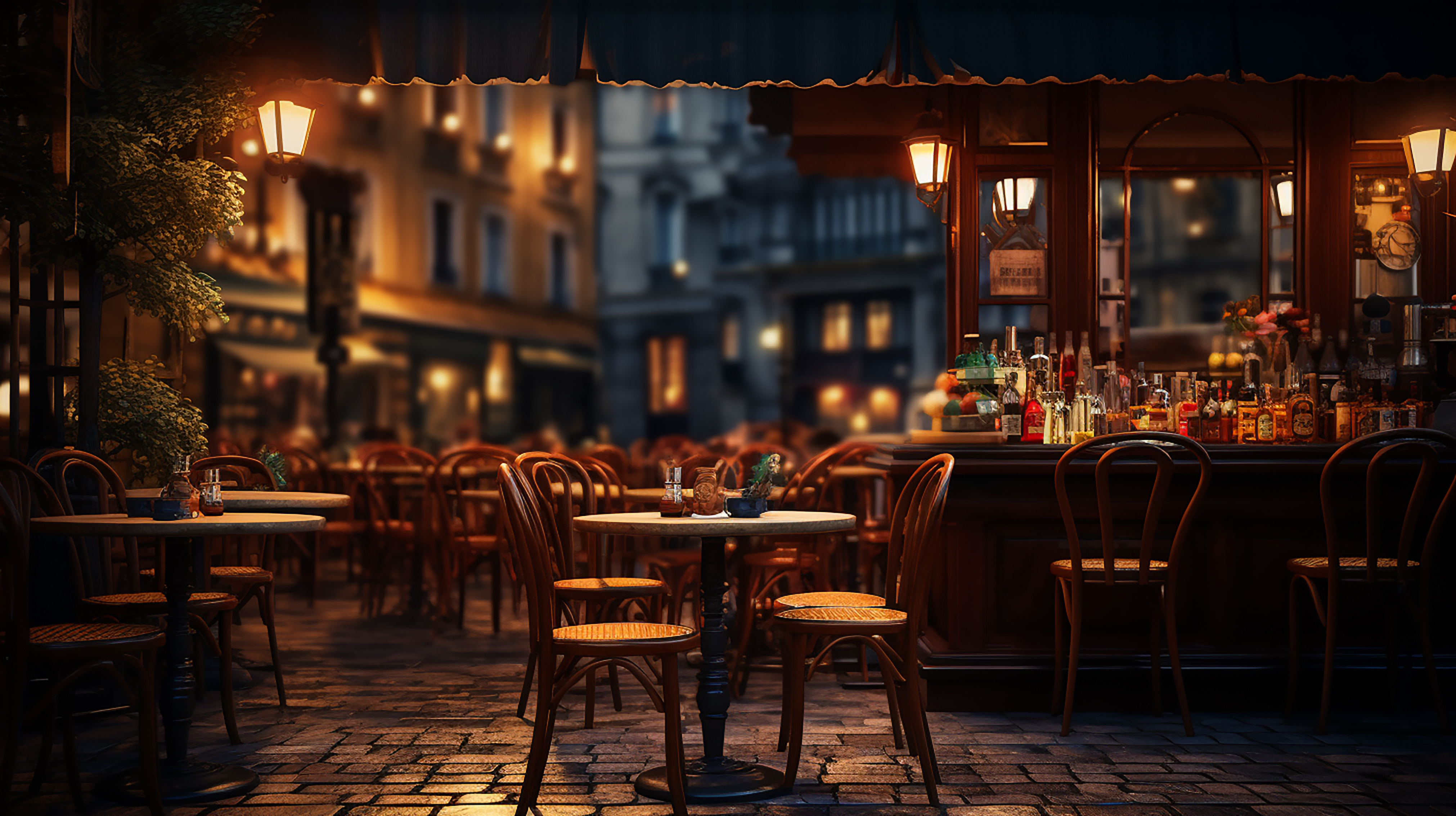
Edgy dogs tap their toenails beneath the staircase in the courtyard. He flaps his napkin at the lead dog, Caffay o-lay!, ordering in sight of the half-ruined pyramids rising in the beyond, O-lay, and the dog shows his teeth, that dog tears off a piece of the napkin, which relaxes the dog – he stops barking – and makes him happy the way he, the man, is happy, it’s what’s left of his honeymoon.
She is uninterested. Everyone else watches them or pretends not to, every faux honeymooning bureaucrat and bureaucrat’s mate who will never receive a real proposal, not that kind here. All of them are secretly married to someone else–that’s how little they know each other, it’s where Mexicans go for this, even the bellhop says so. They like the man teasing the dog. It’s what they’re all doing, the little explorations of the just married, the sly poking of the adulterers.
But the woman with the man could’ve been a man, she is so uninterested, a man would’ve been more interested. Even with his O-lay napkin flap, crows come for the crumbs she’s made of her toast, falling, then winging high just before landing at their unshaded table – they’re interested. She could be one of those crows – that red-black of her hair and intense focus on the nauseous-making crumbs instead of on him – but inside her roils me. I’ve forgotten slamming into being but here I am, just a cell inside her womb, I’m what’s making the toast nauseating, her disinterested, the bright late sun on the table brighter.
His Olay subsided, he pats the dog, sleek with tourist leavings, while two waiters balance and cart plates and saucers, empty or not, off their table. A cloud hovers, a hiatus in mood that allows him to turn to her just as the mariachi band, out all night, clatters and slumps into the adjacent chairs. Before he can make any further fluttering effort toward her, one of them strums, brushes his hand automatically or accidentally against his strings, and of course the crew sings. They can’t help themselves, it’s an aubade, the sad morning after, the song I’m in, wriggling inside her, with the cafe au lait, con leche, con lechery my father would say years later to my now permanently indifferent and hence irresistible mother.
Listening to the sad seductive music, the couples, errant or not, drink from their cups without looking at each other. My father searches his pockets, making the music of change in chorus, the music of never enough change while the strummer, his gold-braided-sweat-mooned uniform dazzles the crows and perhaps the crowd when he stands, swaying as if he is drunk but no drunk could sing so sadly at this hour after singing so long. It is as if he too has spent the night in the little bright blue and yellow room under the gorgeous staircase until 2 a.m. when my father abducts his new wife lying across the coverlet in the nude, giggling yet suddenly indifferent, coaxing her up to the roof to look at the stars and finds instead the night overcast and bee boxes with queens about to fly. At night, screams my father into their dolorous buzzing, even at night? Whereupon my mother, bold in her cameo-colored nudity, leans out over the roof to avoid the bees, and vomits.
I had been lodged inside her mere minutes.
The adulterers and the newlyweds sigh, then they pay for the band’s breakfast and probably lunch, even my father abandons his coins and stuffs five of his peso notes into the upturned hat of the still strumming singer.
Afterwards, my mother and father go horseback riding into the basalt canyons to distract themselves from each other, to enjoy a few moments without carnal rawness. I remember – I hate horses today, the heaving, the lather. The large bay my father rides knows right away he needs to flee from this new indifferent wife and races straight for the rocks. My mother screams, and her horse takes off into the opposite canyon. Their guide thoughtfully turns his horse after my mother instead of my father and finds her weeping at a spring not far away, her dark hair not unattractively framing her wet face, and the horse pawing and shuffling, reins down, not even really wanting the water.
Senorita, he says because he calls all women that, it is hotel policy, and then he says a lot of other things in Spanish.
It is I who makes her dismount and throw herself into his arms. That’s what she tells my father when he rides in, his horse cowed by his rider’s O-lay bravery, his horse having stopped suddenly at the rocks in hopes that his rider catapults over him but he doesn’t, he has clamped his legs tighter, he somehow knows.
My stomach is upset, that is all, she says, that’s why they’re embracing like that, in the basalt canyon so dark and shiny.
What my father doesn’t know is how to dismount from the wild ride his bride is about to give him for years, propelled by me, always me, first inside her honeymooning like some ride-along bee and then not, however so present in extremis long after the return home and the wait. Even still. To wit, at this juncture, the basalt canyon grinning down at all of us so puny in the landscape or so dramatically framed, the rented horses backdrop and catalyst, my mother’s crying on the guide’s shoulder confuses the guide. He is years younger than my father, a boy really, and he shoves her away, forgetting his salaried hotel indifference and his manners, the feigned cheerfulness. My father flies at him, furious not only that he has caught her in his arms, in the wiles of her cameo-skin and dark Irish, not Mexican, hair, but also, yes, because of her indifference, and he and the guide exchange blows, both of their blows glancing off because that’s how it is in real life, glancing or so solid you don’t talk about it later.
Later she lays her clothes in her suitcase. It is how she lays them, so smoothly, and flattened with the heel of her hand, that doesn’t suggest packing, a sure slowness that belies leaving, even a sorrow. Not indifference.
He doesn’t notice.
He stands at the single window of their understairs hotel room, long and bare of shades, open to the courtyard, and watches the waiters push chairs into rows for something the two of them won’t see. There is so much they won’t see and he feels that and brushes it away like those bees that night, and turns back to her, radiant with me inside. He asks her the way you would, struck by the ineffable, if she has change for the taxi, which she wordlessly fetches, which she presses into his hand, then kisses his bruised cheek so hard it stings.
He is silent. A hurt for a hurt. He folds the money into his pocket and picks up her suitcase, then his.
Luna de miel mexicana
Traducido por Manuel Monroy Correa
Unos perros inquietos hacían ruido con sus uñas debajo de las escaleras del patio. Él agita su servilleta al perro –¡Cafei o’lei!– dio la orden de cara a las ruinas de las pirámides que se levantan allende –O’lei–. El perro mostraba sus dientes. Arrancó un pedazo de la servilleta y eso lo calmó, dejando de ladrar. Lo alegra la manera en que él, el hombre, parece contento. Es lo que queda de su luna de miel.
A ella le es indiferente. Todos los miran o pretenden no hacerlo. Cada burócrata de falsas lunas de miel y su pareja –que nunca recibirá una propuesta real; no de esa clase, aquí–. Cada uno está secretamente casado con alguien más –de ahí que se conozcan tan poco–. Es a donde los mexicanos suelen ir –hasta el botones lo dice–. Se entretienen viendo al hombre burlar al perro. Es todo lo que ellos hacen –los pequeños entretenimientos de los recién casados, el punzante guiño de los adúlteros–.
La mujer que acompaña al hombre bien podría haber sido uno de ellos –todo le es indistinto–. Aun un hombre mostraría mayor interés. A pesar de agitar su servilleta «o’lei», los cuervos se aproximan por las migajas de su brindis, que caen y se elevan justo antes de posarse en su mesa sin sombra –ellos sí tienen interés–. Ella podría ser uno de esos cuervos –aquel cabello rojo oscuro suyo y el enfoque intenso que le brinda a esas migajas nauseabundas en lugar de a él– pero dentro de ella, yo me agito. Me había olvidado de arrojarme de pronto al ser pero aquí estoy, solo una célula en su vientre. Soy quien hace el brindis nauseabundo; su desinterés; la luz del sol tardío en la mesa brillante.
Su olei se sirvió. Acaricia al perro, dócil por las sobras de los turistas. Mientras, dos meceros equilibran platos y ensaladeras –estén o no vacías– lejos de las mesas. Al ponerse una nube, el estado del momento se suspende y le permite volverse a ella justo cuando el mariachi –que ha estado ahí toda la noche– traquetea y se desploma sobre las sillas cercanas. Antes de él que pueda hacer algún esfuerzo por llamar su atención, uno rasguea y agita su mano o accidentalmente o a propósito contra las cuerdas. Por supuesto, quienes le acompañan, cantan. No pueden evitarlo. Es una obertura; la mañana siguiente, triste; la canción en la que estoy, revolviéndose dentro de ella, con el café au lait –con leche–, «con lechery» habría de decir mi padre, años después, a mi madre, por ahora continuamente en su indiferencia y, por tanto, irresistible.
Mientras suena la música con atractiva melancolía, las parejas –fugaces o no– toman de sus copas sin mirarse. Mi padre busca en sus bolsillos, haciendo del cambio música coral. Música de insuficiente morralla al momento en que el percusionista apantalla a los cuervos con su traje de tejido dorado, sudoroso y alunado. Quizá también a la multitud frente a quien se para, balanceándose como si estuviera ebrio. Pero ningún borracho podría cantar con tal desconsuelo a esta hora, después de haber cantado por tanto tiempo. Es como si hubiera pasado igualmente el tiempo en el pequeño y luminoso cuarto de colores amarillo y azul, debajo de la hermosa escalera hasta las 2 de la mañana. En ese momento, mi padre se lleva a su nueva esposa que yace desnuda en el cobertor, divertida pero pronto indiferente, persuadiéndola con mimos de subir al techo a ver las estrellas. En lugar de eso, la noche está nublada y solo hay abejares con reinas a punto de volar. De noche, mi padre les grita ante el zumbido insoportable –¿aun de noche?–, tras lo cual mi madre –firme en su desnudez de relieve pintado– se asoma al tejado para evitar a las abejas y vomita.
Llevo apenas unos cuantos minutos alojada.
Los adúlteros y los recién casados suspiran. Luego, pagan por el desayuno de los músicos; probablemente el almuerzo. Inclusive, mi padre abandona sus monedas y junta cinco de sus billetes de un peso en el sombrero volteado del cantante que rasguea.
Inmediatamente después, mi madre y mi padre toman el camino de regreso, a caballo, hacia los cañones de basalto, para distraerse uno del otro y disfrutar de unos momentos sin rudeza carnal. Lo recuerdo. Hasta el día de hoy odio los caballos: la agitación, lo resbaloso. El gran bayo que mi padre monta sabe de inmediato que requiere zafarse de su nueva e indiferente esposa y corre directo hacia las rocas. Mi madre grita y su caballo parte en dirección opuesta. El guía torna atentamente su caballo hacia mi madre en vez de ir tras mi padre y la halla sollozando en un manantial no muy lejos de ahí, con su pelo oscuro cayendo de forma atractiva sobre su rostro húmedo. El caballo daba zarpazos y arrastraba las pezuñas; las riendas sueltas; sin siquiera desear tomar agua.
Señorita –dice porque así llama a todas las mujeres. Es una política del hotel–. Luego dice un montón de cosas en español.
Soy yo quien la hace desmontar y arrojarse a sus brazos. Es lo que ella le dice a mi padre cuando monta su caballo, conducido por la valentía de su jinete O’lay a quien tal equino esperaba catapultar deteniéndose abruptamente en las rocas. Pero no: se abrazó fuerte con las piernas. Lo sabía, de alguna manera.
Mi estómago está mal, eso es todo, dice ella. Por eso se abrazan de esa forma en el cañón de basalto tan oscuro, tan brillante.
Lo que mi padre no sabe es cómo habrá de salirse del paseo salvaje que su novia está a punto de darle por años –alentada por mí, siempre yo–. En primer lugar, dentro de ella en su luna de miel, como una abeja que pasea y luego para. Tan presente in extremis aun de vuelta a la casa y en la espera. Todavía. A saber, en esta coyuntura, el cañón de basalto soltaba una mueca hacia nosotros, tan vulnerables en el paisaje o enmarcados en él tan dramáticamente, con los caballos alquilados de telón de fondo y estimulantes. Mi madre lloraba en el hombro del guía, confundido. Es más joven que mi padre, un muchacho, en realidad. La aleja con un empujón, olvidando su salario de hotel y sus modales; la fingida alegría. Mi padre vuela tras él, furioso, no solo por haberla recibido en sus brazos sino por los encantos de su piel de lienzo y su cabello oscuro, irlandés, no mexicano. También, por la indiferencia de ella. El muchacho y él intercambian golpes –cada uno de ellos oblicuos pues así es en la vida real: de refilón o tan sólidos que de ellos no se habla después–.
Luego ella pondrá su ropa en su maleta. Es la forma en que la posa, tan suavemente –adelgazándola con el dorso de la mano que ni siquiera parece empacar– y es de una sobria suavidad que desmiente la partida. Hay cierta pena, no indiferencia.
Él no lo nota.
Se para frente a la única ventana bajo las escaleras del cuarto de hotel, largo y sin sombras, abierto al patio, mirando a los camareros que acomodan sillas en filas para algo que ninguno de los dos verá. Hay tanto que no verán y él lo siente. Aleja eso como si fueran las abejas de la noche anterior y se torna a ella, radiante, conmigo dentro. Le pregunta –como tú lo harías impactado por lo inefable– si tiene cambio para el taxi. Ella lo busca en silencio y lo oprime contra su mano. Besa tan fuerte su mejilla golpeada, que arde.
Él calla. Una herida por otra. Él guarda el dinero en su bolsillo, levanta la maleta de ella, luego la suya.

Terese Svoboda. A Guggenheim fellow and the author of twenty-three books of poetry, fiction, memoir, biography and translation, Terese Svoboda has won the Bobst Prize in fiction, the Iowa Poetry Prize, an NEH translation grant, the Graywolf Nonfiction Prize, a Jerome Foundation and NEA media grants, the O. Henry Award for the short story, and a Pushcart Prize for the essay. Three-time winner of the NYFA fellowship, she has been awarded Headlands, James Merrill, Yaddo, MacDowell, Bogliasco, Hermitage, Hawthorden, and Bellagio residencies. Her opera WET premiered in L.A.’s Disney Hall. The novel Roxy and Coco and her collection The Long Swim had a full-page in the New York Times Book Review this May.
Manuel Monroy Correa
Escritor y traductor mexicano, Ha publicado los libros Auspicio (Abismos, 2017), El [llanto del] crepúsculo (Hebel, 2017), Principia Chaotica (Beyond Dimensions, 2023), Llamada/Clamor al/de Olvido (Beyond Dimensions, 2023), Yagubal Alebrije (Pearson, 2015 y Beyond Dimensions, 2023) e Incalculable abismo (Beyond Dimensions, 2023). Es traductor de The Weary Blues de Langston Hughes y de El gueto y otros poemas de Lola Ridge, publicadas por Editorial La Confianza en su sello literario Beyond Dimensions en ediciones bilingües. Tiene un doctorado en Letras Modernas por la Universidad Iberoamericana.


Deja un comentario