

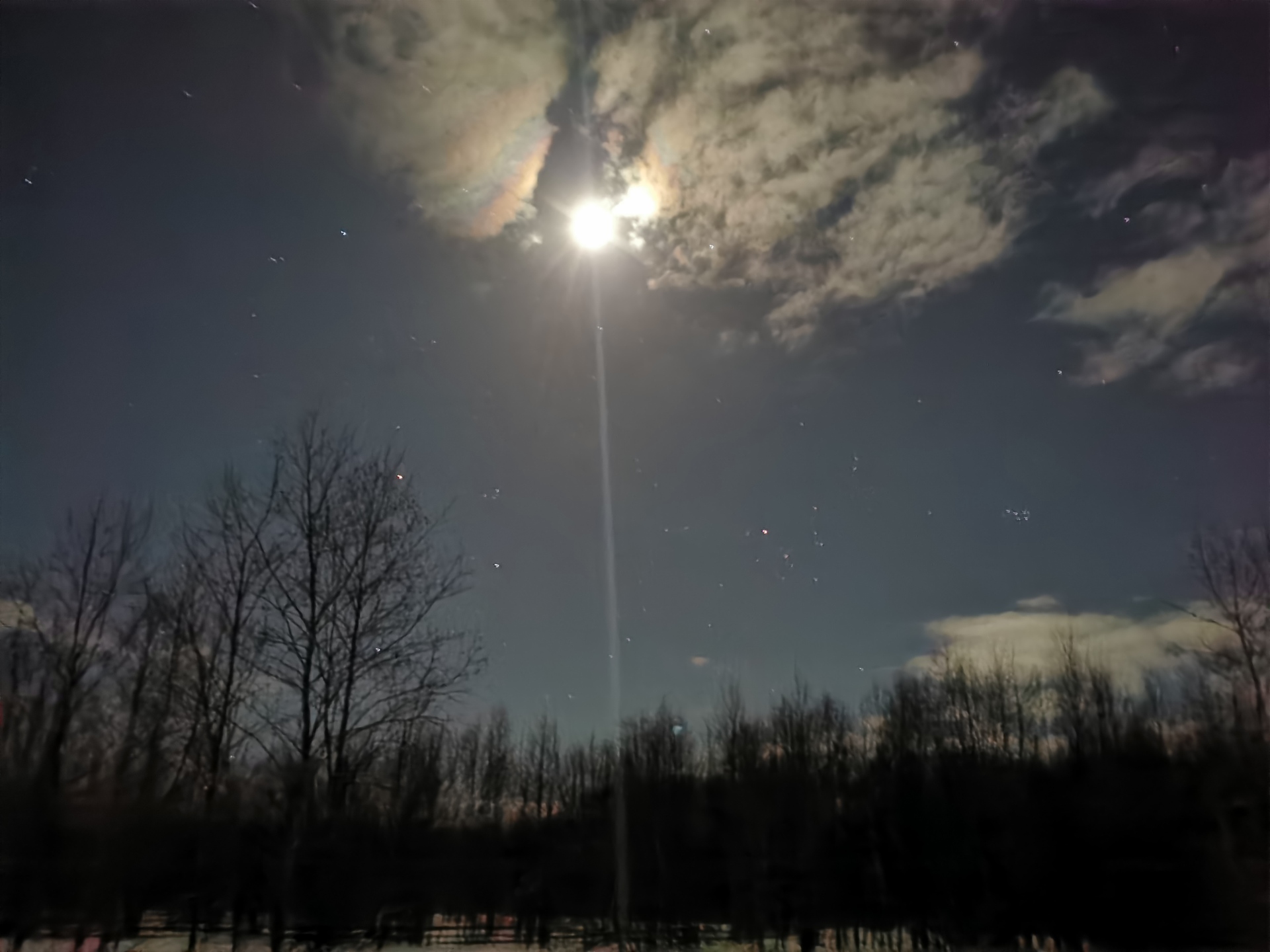
por Gustavo Adolfo Bécquer
Yo no sé si esto es una historia que parece cuento o un cuento que parece historia; lo que puedo decir es que en su fondo hay una verdad, una verdad muy triste, de la que acaso yo seré uno de los últimos en aprovecharme, dadas mis condiciones de imaginación.
Otro, con esta idea, tal vez hubiera hecho un tomo de filosofía lacrimosa; yo he escrito esta leyenda, que a los demás que nada vean en su fondo al menos podrá entretenerles un rato.
— I —
Era noble, había nacido entre el estruendo de las armas, y el insólito clamor de una trompa de guerra no lo hubiera hecho levantar la cabeza un instante ni apartar sus ojos de un punto del oscuro pergamino en que leía la última cantiga de un trovador.
Los que quisieran encontrarle no le debían buscar en el anchuroso patio de su castillo, donde los palafreneros domaban los potros, los pajes enseñaban a volar a los halcones y los soldados se entretenían los días de reposo en afilar el hierro de su lanza contra una piedra.
—¿Dónde está Manrique, dónde está vuestro señor? —preguntaba algunas veces su madre.
—No sabemos —respondían sus servidores—; acaso estará en el claustro del monasterio de la Peña, sentado al borde de una tumba, prestando oído a ver si sorprende alguna palabra de la conversación de los muertos, o en el puente, mirando correr unas tras otras las olas del río por debajo de sus arcos; o acurrucado en la quiebra de una roca y entretenido en contar las estrellas del cielo, en seguir una nube con la vista o contemplar los fuegos fatuos que cruzan como exhalaciones sobre el haz de las lagunas. En cualquiera parte estará, menos en donde esté todo el mundo.
En efecto, Manrique amaba la soledad, y la amaba de tal modo, que algunas veces hubiera deseado no tener sombra, porque su sombra no le siguiese a todas partes.
Amaba la soledad, porque en su seno, dando rienda suelta a la imaginación, forjaba un mundo fantástico, habitado por extrañas creaciones, hijas de sus delirios y sus ensueños de poeta; porque Manrique era poeta, tanto, que nunca le habían satisfecho las formas en que pudiera encerrar sus pensamientos, y nunca los había encerrado al escribirlos.
Creía que entre las rojas ascuas del hogar habitaban espíritus de fuego de mil colores, que corrían como insectos de oro a lo largo de los troncos encendidos o danzaban en una luminosa ronda de chispas en la cúspide de las llamas, y se pasaba las horas muertas sentado en un escabel junto a la alta chimenea gótica, inmóvil y con los ojos fijos en la lumbre.
Creía que en el fondo de las ondas del río, entre los musgos de la fuente y sobre los vapores del lago vivían unas mujeres misteriosas, hadas, sílfides u ondinas, que exhalaban lamentos y suspiros o cantaban y se reían en el monótono rumor del agua, rumor que oía en silencio intentando traducirlo.
En las nubes, en el aire, en el fondo de los bosques, en las grietas de las peñas, imaginaba percibir formas o escuchar sonidos misteriosos, formas de seres sobrenaturales, palabras ininteligibles que no podía comprender.
¡Amar! Había nacido para soñar el amor, no para sentirlo. Amaba a todas las mujeres un instante: a ésta porque era rubia, a aquélla porque tenía los labios rojos, a la otra porque se cimbreaba, al andar, como un junco.
Algunas veces llegaba su delirio hasta el punto de quedarse una noche entera mirando a la luna, que flotaba en el cielo entre un vapor de plata, o a las estrellas, que temblaban a lo lejos como los cambiantes de las piedras preciosas. En aquellas largas noches de poético insomnio, exclamaba:
—Si es verdad, como el prior de la Peña me ha dicho, que es posible que esos puntos de luz sean mundos; si es verdad que en ese globo de nácar que rueda sobre las nubes habitan gentes, ¡qué mujeres tan hermosas serán las mujeres de esas regiones luminosas, y yo no podré verlas, y yo no podré amarlas!… ¿Cómo será su hermosura?… ¿Cómo será su amor?
Manrique no estaba aún lo bastante loco para que le siguiesen los muchachos, pero sí lo suficiente para hablar y gesticular a solas, que es por donde se empieza.
— II —
Sobre el Duero, que pasaba lamiendo las carcomidas y oscuras piedras de las murallas de Soria, hay un puente que conduce de la ciudad al antiguo convento de los Templarios, cuyas posesiones se extendían a lo largo de la opuesta margen del río.
En la época a que nos referimos, los caballeros de la Orden habían ya abandonado sus históricas fortalezas; pero aún quedaban en pie los restos de los anchos torreones de sus muros; aún se veían, como en parte se ven hoy,
cubiertos de hiedra y campanillas blancas, los macizos arcos de su claustro, las prolongadas galerías ojivales de sus patios de armas, en las que suspiraba el viento con un gemido, agitando las altas hierbas.
En los huertos y en los jardines, cuyos senderos no hollaban hacía muchos años las plantas de los religiosos, la vegetación, abandonada a sí misma, desplegaba todas sus galas, sin temor de que la mano del hombre la mutilase, creyendo embellecerla. Las plantas trepadoras subían encaramándose por los añosos troncos de los árboles; las sombrías calles de álamos, cuyas copas se tocaban y se confundían entre sí, se habían cubierto de césped; los cardos silvestres y las ortigas brotaban en medio de los enarenados caminos, y en dos trozos de fábrica, próximos a desplomarse, el jaramago, flotando al viento como el penacho de una cimera, y las campanillas blancas y azules, balanceándose como en un columpio sobre sus largos y flexibles tallos, pregonaban la victoria de la destrucción y la ruina.
Era de noche; una noche de verano, templada, llena de perfumes y de rumores apacibles, y con una luna blanca y serena en mitad de un cielo azul, luminoso y transparente.
Manrique, presa su imaginación de un vértigo de poesía, después de atravesar el puente, desde donde contempló un momento la negra silueta de la ciudad, que se destacaba sobre el fondo de algunas nubes blanquecinas y ligeras arrolladas en el horizonte, se internó en las desiertas ruinas de los Templarios.
La media noche tocaba a su punto. La luna, que se había ido remontando lentamente, estaba ya en lo más alto del cielo, cuando, al entrar en una oscura alameda que conducía desde el derruido claustro a la margen del Duero, Manrique exhaló un grito leve, ahogado, mezcla extraña de sorpresa, de temor y de júbilo.
En el fondo de la sombría alameda había visto agitarse una cosa blanca, que flotó un momento y desapareció en la oscuridad. La orla del traje de una mujer, de una mujer que había cruzado el sendero y se ocultaba entre el follaje, en el mismo instante en que el loco soñador de quimeras o imposibles penetraba en los jardines.
— III —
Llegó al punto en que había visto perderse entre la espesura de las ramas a la mujer misteriosa. Había desaparecido. ¿Por dónde? Allá lejos creyó divisar, por entre los cruzados troncos de los árboles, como una claridad o una forma
blanca que se movía.
—¡Es ella, es ella, que lleva alas en los pies y huye como una sombra! — dijo; y se precipitó en su busca, separando con las manos las redes de hiedra que se extendían como un tapiz de unos en otros álamos. Llegó rompiendo por entre la maleza y las plantas parásitas hasta una especie de rellano que iluminaba la claridad del cielo… ¡Nadie! —¡Ah, por aquí, por aquí va! — exclamó entonces—. Oigo sus pisadas sobre las hojas secas, y el crujido de su traje, que arrastra por el suelo y roza en los arbustos —y corría, y corría como un loco de aquí para allá, y no la veía—. Pero siguen sonando sus pisadas — murmuró otra vez—; creo que ha hablado; no hay duda, ha hablado… El viento que suspira entre las ramas; las hojas, que parece que rezan en voz baja, me han impedido oír lo que ha dicho; pero no hay duda, va por ahí, ha hablado…, ha hablado… ¿En qué idioma? No sé, pero es una lengua extranjera…
Y tornó a correr en su seguimiento, unas veces creyendo verla, otras pensando oírla; ya notando que las ramas por entre las cuales había desaparecido se movían; ya imaginando distinguir en la arena la huella de sus breves pies; luego, firmemente persuadido de que un perfume especial que aspiraba a intervalos era un aroma perteneciente a aquella mujer que se burlaba de él, complaciéndose en huirle por entre aquellas intrincadas malezas.
¡Afán inútil!
Vagó algunas horas de un lado a otro fuera de sí, ya parándose para escuchar, ya deslizándose con las mayores precauciones sobre la hierba, ya en una carrera frenética y desesperada.
Avanzando, avanzando por entre los inmensos jardines que bordaban la margen del río, llegó al fin al pie de las rocas sobre que se eleva la ermita de San Saturio.
—Tal vez desde esta altura podré orientarme para seguir mis pesquisas a través de ese confuso laberinto —exclamó trepando de peña en peña con la ayuda de su daga.
Llegó a la cima, desde la que se descubre la ciudad en lontananza y una gran parte del Duero que se retuerce a sus pies, arrastrando una corriente impetuosa y oscura por entre las corvas márgenes que lo encarcelan.
Manrique, una vez en lo alto de las rocas, tendió la vista a su alrededor; pero al tenderla y fijarla al cabo en un punto, no pudo contener una blasfemia.
La luz de la luna rielaba chispeando en la estela que dejaba en pos de sí una barca que se dirigía a todo remo a la orilla opuesta.
En aquella barca había creído distinguir una forma blanca y esbelta, una
mujer, sin duda la mujer que había visto en los Templarios, la mujer de sus sueños, la realización de sus más locas esperanzas. Se descolgó de las peñas con la agilidad de un gamo, arrojó al suelo la gorra, cuya redonda y larga pluma podía embarazarle para correr, y desnudándose del ancho capotillo de terciopelo, partió como una exhalación hacia el puente.
Pensaba atravesarlo y llegar a la ciudad antes que la barca tocase en la otra orilla. ¡Locura! Cuando Manrique llegó jadeante y cubierto de sudor, a la entrada, ya los que habían atravesado el Duero por la parte de San Saturio, entraban en Soria por una de las puertas del muro, que en aquel tiempo llegaba hasta la margen del río, en cuyas aguas se retrataban sus pardas almenas.
— IV —
Aunque desvanecida su esperanza de alcanzar a los que habían entrado por el postigo de San Saturio, no por eso nuestro héroe perdió la de saber la casa que en la ciudad podía albergarlos. Fija en su mente esta idea, penetró en la población, y dirigiéndose hacia el barrio de San Juan, comenzó a vagar por sus calles a la ventura.
Las calles de Soria eran entonces, y lo son todavía, estrechas, oscuras y tortuosas. Un silencio profundo reinaba en ellas, silencio que sólo interrumpían ora el lejano ladrido de un perro, ora el rumor de una puerta al cerrarse, ora el relincho de un corcel que, piafando, hacía sonar la cadena que le sujetaba al pesebre en las subterráneas caballerizas.
Manrique, con el oído atento a estos rumores de la noche, que unas veces le parecían los pasos de alguna persona que había doblado ya la última esquina de un callejón desierto; otras, voces confusas de gentes que hablaban a sus espaldas y que a cada momento esperaba ver a su lado, anduvo algunas horas corriendo al azar de un sitio a otro.
Por último, se detuvo al pie de un caserón de piedra, oscuro y antiquísimo, y al detenerse brillaron sus ojos con una indescriptible expresión de alegría. En una de las altas ventanas ojivales de aquel que pudiéramos llamar palacio se veía un rayo de luz templada y suave que, pasando a través de unas ligeras colgaduras de seda color de rosa, se reflejaba en el negruzco y grieteado paredón de la casa de enfrente.
—No cabe duda; aquí vive mi desconocida —murmuró el joven en voz baja sin apartar un punto sus ojos de la ventana gótica—, aquí vive. Ella entró por el postigo de San Saturio…; por el postigo de San Saturio se viene a este barrio…; en este barrio hay una casa donde, pasada la media noche, aún hay
gente en vela… ¿En vela? ¿Quién sino ella, que vuelve de sus nocturnas excursiones, puede estarlo a estas horas?… No hay más; ésta es su casa.
En esta firme persuasión, y revolviendo en su cabeza las más locas y fantásticas imaginaciones, esperó el alba frente a la ventana gótica, de la que en toda la noche no faltó la luz, ni él separó la vista un momento.
Cuando llegó el día, las macizas puertas del arco que daba entrada al caserón, y sobre cuya clave se veían esculpidos los blasones de su dueño, giraron pesadamente sobre los goznes, con un chirrido prolongado y agudo. Un escudero reapareció en el dintel con un manojo de llaves en la mano, restregándose los ojos y enseñando al bostezar una caja de dientes capaces de dar envidia a un cocodrilo.
Verle Manrique y lanzarse a la puerta todo fue obra de un instante.
—¿Quién habita en esta casa? ¿Cómo se llama ella? ¿De dónde es? ¿A qué ha venido a Soria? ¿Tiene esposo? Responde, responde, animal.
Ésta fue la salutación que, sacudiéndole el brazo violentamente, dirigió al pobre escudero, el cual, después de mirarle un buen espacio de tiempo con ojos espantados y estúpidos, le contestó con voz entrecortada por la sorpresa:
—En esta casa vive el muy honrado señor D. Alonso de Valdecuellos, montero mayor de nuestro señor el rey, que, herido en la guerra contra moros, se encuentra en esta ciudad reponiéndose de sus fatigas.
—¿Pero y su hija? —interrumpió el joven, impaciente—. ¿Y su hija, o su hermana, o su esposa, o lo que sea?
—No tiene ninguna mujer consigo.
—¡No tiene ninguna!… ¿Pues quién duerme allí en aquel aposento, donde toda la noche he visto arder una luz?
—¿Allí? Allí duerme mi señor D. Alonso, que, como se halla enfermo, mantiene encendida su lámpara hasta que amanece.
Un rayo cayendo de improviso a sus pies no le hubiera causado más asombro que el que le causaron estas palabras.
— V —
—Yo la he de encontrar, la he de encontrar; y si la encuentro, estoy casi seguro de que he de conocerla… ¿En qué?… Eso es lo que no podré decir…, pero he de conocerla. El eco de sus pisadas o una sola palabra suya que vuelva
a oír; un extremo de su traje, un solo extremo que vuelva a ver me bastarán para conseguirlo. Noche y día estoy mirando flotar delante de mis ojos aquellos pliegues de una tela diáfana y blanquísima; noche y día me están sonando aquí dentro, dentro de la cabeza, el crujido de su traje, el confuso rumor de sus ininteligibles palabras… ¿Qué dijo?… ¿Qué dijo? ¡Ah!, si yo pudiera saber lo que dijo, acaso…; pero, aún sin saberlo, la encontraré…, la encontraré; me lo da el corazón, y mi corazón no me engaña nunca. Verdad es que ya he recorrido inútilmente todas las calles de Soria; que he pasado noches y noches al sereno, hecho poste de una esquina; que he gastado más de veinte doblas en oro en hacer charlar a dueñas y escuderos; que he dado agua bendita en San Nicolás a una vieja, arrebujada con tal arte en su manto de anascote, que se me figuró una deidad; y al salir de la Colegiata una noche de maitines he seguido como un tonto la litera del arcediano, creyendo que el extremo de sus hopalandas era el del traje de mi desconocida; pero no importa…; yo la he de encontrar, y la gloria de poseerla excederá seguramente al trabajo de buscarla.
¿Cómo serán sus ojos?… Deben de ser azules, azules y húmedos como el cielo de la noche; me gustan tanto los ojos de ese color; son tan expresivos, tan melancólicos, tan… Sí…, no hay duda; azules deben de ser; azules son, seguramente, y sus cabellos, negros, muy negros y largos para que floten… Me parece que los vi flotar aquella noche, al par que su traje, y eran negros…; no me engaño, no; eran negros.
¡Y qué bien sientan unos ojos azules, muy rasgados y adormidos, y una cabellera suelta, flotando y oscura, a una mujer alta…; porque… ella es alta, alta y esbelta, como esos ángeles de las portadas de nuestras basílicas, cuyos ovalados rostros envuelven en un misterioso crepúsculo las sombras de sus doseles de granito!
¡Su voz!… Su voz la he oído… su voz es suave como el rumor del viento en las hojas de los álamos, y su andar, acompasado y majestuoso como las cadencias de una música.
Y esa mujer, que es hermosa como el más hermoso de mis sueños de adolescente, que piensa como yo pienso, que gusta como yo gusto, que odia lo que yo odio, que es un espíritu hermano de mi espíritu, que es el complemento de mi ser, ¿no se ha de sentir conmovida al encontrarme? ¿No me ha de amar como yo la amaré, como yo la amo ya, con todas las fuerzas de mi vida, con todas las facultades de mi alma?
Vamos, vamos al sitio donde la vi la primera y única vez que la he visto…
¿Quién sabe si, caprichosa como yo, amiga de la soledad y el misterio, como todas las almas soñadoras, se complace en vagar por entre las ruinas, en el silencio de la noche?
Dos meses habían transcurrido desde que el escudero de D. Alonso de Valdecuellos desengañó al iluso Manrique; dos meses, durante los cuales en cada hora había formado un castillo en el aire, que la realidad desvanecía con un soplo; dos meses, durante los cuales había buscado en vano a aquella mujer desconocida, cuyo absurdo amor iba creciendo en su alma, merced a sus aún más absurdas imaginaciones, cuando, después de atravesar, absorto en estas ideas, el puente que conduce a los Templarios, el enamorado joven se perdió entre las intrincadas sendas de sus jardines.
— VI —
La noche estaba serena y hermosa; la luna brillaba en toda su plenitud en lo más alto del cielo, y el viento suspiraba con un rumor dulcísimo entre las hojas de los árboles.
Manrique llegó al claustro, tendió la vista por su recinto y miró a través de las macizas columnas de sus arcadas… Estaba desierto.
Salió de él, encaminó sus pasos hacia la oscura alameda que conduce al Duero, y aún no había penetrado en ella, cuando de sus labios se escapó un grito de júbilo.
Había visto flotar un instante, y desaparecer, el extremo del traje blanco, del traje blanco de la mujer de sus sueños, de la mujer que ya amaba como un loco.
Corre, corre en su busca, llega al sitio en que la ha visto desaparecer; pero al llegar se detiene, fija los espantados ojos en el suelo, permanece un rato inmóvil; un ligero temblor nervioso agita sus miembros; un temblor que va creciendo, que va creciendo, y ofrece los síntomas de una verdadera convulsión, y prorrumpe, al fin, en una carcajada sonora, estridente, horrible.
Aquella cosa blanca, ligera, flotante, había vuelto a brillar ante sus ojos, pero había brillado a sus pies un instante, no más que un instante.
Era un rayo de luna, un rayo de luna que penetraba a intervalos por entre la verde bóveda de los árboles cuando el viento movía sus ramas.
Habían pasado algunos años. Manrique, sentado en un sitial junto a la alta chimenea gótica de su castillo, inmóvil casi y con una mirada vaga e inquieta como la de un idiota, apenas prestaba atención ni a las caricias de su madre ni a los consuelos de sus servidores.
—Tú eres joven, tú eres hermoso —le decía aquélla—; ¿por qué te consumes en la soledad? ¿Por qué no buscas una mujer a quien ames, y que,
amándote, pueda hacerte feliz?
—¡El amor!… El amor es un rayo de luna —murmuraba el joven.
—¿Por qué no despertáis de ese letargo? —le decía uno de sus escuderos
—; os vestís de hierro de pies a cabeza, mandáis desplegar al aire vuestro pendón de ricohombre, y marchamos a la guerra; en la guerra se encuentra la gloria.
—¡La gloria!… La gloria es un rayo de luna.
—¿Queréis que os diga una cantiga, la última que ha compuesto mosén Arnaldo, el trovador provenzal?
—¡No! ¡No! —exclamó el joven incorporándose, colérico, en su sitial—. No quiero nada…; es decir, sí quiero…: quiero que me dejéis solo… Cantigas…, mujeres…, glorias…, felicidad…, mentiras todo, fantasmas vanos que formamos en nuestra imaginación y vestimos a nuestro antojo, y los amamos y corremos tras ellos. ¿Para qué? ¿Para qué? Para encontrar un rayo de luna.
Manrique estaba loco; por lo menos, todo el mundo lo creía así. A mí, por el contrario, se me figuraba que lo que había hecho era recuperar el juicio.
A Ray of Moonlight
By
Gustavo Adolfo Bécquer
Translated from the Spanish by Keith Grimes
I don’t know if this is a story that seems like a tale or a tale that seems like a story. What I can say is that at its core, there is a truth, an incredibly sad truth, which I may be one of the last to take advantage of, given my imagination.
Someone else, with this idea, might have written a volume of tearful philosophy. I have written this legend, which, for those who see nothing in it, will at least entertain them for a while.
I
He was a noble, born amid the clamor of arms, and the unusual sound of a war trumpet would not have made him raise his head for a moment or take his eyes off the dark parchment on which he was reading the last song of a troubadour.
Those who wanted to find him should not have looked for him in the spacious courtyard of his castle, where the grooms were breaking in the colts, the pages were teaching the falcons to fly, and the soldiers spent their days off sharpening the iron of their spears against a stone.
“Where is Manrique, where is your lord?” his mother would ask sometimes.
“We don’t know,” his servants would reply, «perhaps he is in the cloister of the monastery of La Peña, sitting on the edge of a tomb, listening to see if he could catch a word of the conversation of the dead, or on the bridge, watching the waves of the river run one after another beneath its arches; or curled up in the crevice of a rock, entertaining himself by counting the stars in the sky, following a cloud with his eyes, or contemplating the will-o’-the-wisps that
cross like exhalations over the haze of the lagoons. He could be anywhere, except where everyone else was.
Indeed, Manrique loved solitude, and he loved it so much that sometimes he wished he had no shadow, because his shadow would not follow him everywhere.
He loved solitude because in its bosom, giving free rein to his imagination, he forged a fantastic world inhabited by strange creations, children of his delirium and his poetic dreams; for Manrique was a poet, so much so that he had never been satisfied with the forms in which he could enclose his thoughts, and he had never enclosed them when he wrote them down.
He believed that among the red embers of the hearth lived spirits of fire of a thousand colors, which ran like golden insects along the logs or danced in a luminous circle of sparks at the top of the flames, and he spent hours sitting on a footstool by the tall Gothic fireplace, motionless and staring into the fire.
He believed that under the river waves, among the moss of the spring, and above the fog on the lake, there lived mysterious women, fairies, sylphs, or undines, who exhaled laments and sighs or sang and laughed in the monotonous murmur of the water, a murmur he listened to silently, trying to translate it.
In the clouds, in the air, in the depths of the forests, and in the crevices of the rocks, he imagined he perceived shapes or heard mysterious sounds —shapes of supernatural beings, unintelligible words he could not understand.
To love! He had been born to dream of love, not to feel it. He loved all women for a moment: this one because she was blonde, that one because she had red lips, another because she swayed as she walked, like a reed.
Sometimes his delirium reached the point where he would spend an entire night gazing at the moon, which floated in the sky amid a silver mist, or at the stars, which trembled in the distance like the iridescence of precious stones.
On those long nights of poetic insomnia, he would exclaim: «If it is true, as the prior of La Peña has told me, that those points of light may be worlds; if it is true that in that mother-of-pearl globe that rolls over the clouds there live people, what beautiful women must be the women of those luminous regions, and I will not be able to see them, and I will not be able to love them! How beautiful they must be! How their love must be!
Manrique wasn’t mad enough for the boys to follow him, but he was mad enough to talk and gesticulate to himself, which is how it all begins.
II
Over the Duero, which flowed, lapping at the dark, rotten stones of the walls of Soria, there is a bridge that leads from the city to the old convent of the Templars, whose possessions extended along the opposite bank of the river.
At the time we are referring to, the knights of the Order had already abandoned their historic fortresses, but the remains of the wide towers of their walls were still standing; the massive arches of their cloister, covered with ivy and white bells, could still be seen, as they can be seen today, as could the long oval galleries of their courtyards, where the wind sighed with a moan, stirring the tall grasses.
In the orchards and gardens, whose paths had not been walked upon by the feet of the monks for many years, the vegetation, left to itself, displayed all its finery, without fear of being mutilated by the hand of man, believing it to be beautifying it. Climbing plants scaled the gnarled trunks of the trees; the gloomy streets of poplars, whose tops touched and mingled with each other, were covered with grass; wild thistles and nettles sprouted in the middle of the sandy paths, and in two pieces of masonry, close to collapse, dandelions, floating in the wind like plumes of a crest, and white and blue bells, swinging like on a swing on their long, flexible stems, proclaimed the victory of destruction and ruin.
It was night, a summer night, warm, full of perfumes and gentle murmurs, and with a white, serene moon in the middle of a blue sky, bright and clear.
Manrique, his imagination made dizzy by the poetry, after crossing the bridge, from where he gazed for a moment at the black silhouette of the city, which stood out against the background of some whitish, light clouds rolling on the horizon, entered the deserted ruins of the
Templars.
Midnight was approaching. The moon, which had been rising slowly, was now at its highest point in the sky when, upon entering a dark alley leading from the ruined cloister to the banks of the Duero, Manrique let out a faint, muffled cry, a strange mixture of surprise, fear,
and joy.
At the end of the gloomy avenue, he saw something white flutter, which floated for a moment before disappearing into the darkness. It was the hem of a woman’s dress, a woman who had crossed the path and was hiding among the foliage, at the very moment when the mad dreamer of chimeras and impossibilities entered the gardens.
III
He reached the spot where he had watched the mysterious woman disappear into the thicket of branches. She was gone. Where had she gone? Far away, he thought he saw, through the crisscrossed tree trunks, a glimmer of light or a white shape moving.
“It’s her, it’s her, she has wings on her feet and is fleeing like a shadow!” he said, and rushed off in pursuit, parting with his hands the ivy that spread like a tapestry from one poplar tree to another. He broke through the undergrowth and parasitic plants until he reached a kind of landing illuminated by the light of the sky… No one!
“Ah, this way, this way she’s going!” he exclaimed. “I hear her footsteps on the dry leaves and the rustling of her dress, which she drags along the ground and brushes against the bushes.” And he ran and ran like a madman back and forth, but he could not see her. “But her footsteps are still ringing,” he murmured again. “I think she spoke; no doubt she spoke… The
wind sighing through the branches; the leaves, which seemed to have been praying in a faint voice, have prevented me from hearing what she said; but there is no doubt, she is there, she has spoken… she has spoken… In what language? I don’t know, but it’s a foreign language.”
And he ran after her again, sometimes thinking he saw her, sometimes thinking he heard her; noticing that the branches through which she had disappeared were moving; imagining he could distinguish the imprints of her small feet in the sand; then, firmly convinced that a special perfume he smelled at intervals was the scent of that woman who was mocking him, taking pleasure in fleeing from him through those tangled weeds. Useless effort!
He wandered for several hours, beside himself, now stopping to listen, now gliding with the utmost caution over the grass, now in a frantic and desperate run. Advancing, advancing through the immense gardens that bordered the riverbank, he finally reached the foot of the rocks on which the hermitage of San Saturio stood.
“Perhaps from this height I will be able to get my bearings and continue my search through this confusing labyrinth,” he exclaimed, climbing from rock to rock with the help of his dagger.
He reached the top, from where he could see the city in the distance and a large part of the Duero River twisting at his feet, dragging an impetuous and dark current between the curved banks that imprisoned it.
Manrique, once at the top of the rocks, looked around, but when he looked up and fixed his gaze on a point, he could not contain a blasphemy.
The moonlight sparkled in the wake left behind by a boat rowing swiftly toward the opposite shore. In that boat, he thought he saw a slender, white figure —a woman, undoubtedly the woman he had seen at the Templars, the woman of his dreams, the fulfillment of his wildest hopes. He climbed down from the rocks with the agility of a deer, threw his cap, whose long, round feather might hinder his running, to the ground, and, stripping off his wide velvet cloak, he set off like a breath of wind toward the bridge.
He planned to cross it and reach the city before the boat touched the other shore. Madness! When Manrique arrived panting and covered in sweat at the entrance, those who had crossed the Duero at San Saturio were already entering Soria through one of the gates in the wall, which at that time reached the riverbank, where its brown battlements were reflected in the waters.
IV
Although his hope of catching up with those who had entered through the gate of San Saturio was dashed, our hero did not lose hope of finding the house in the city where they might be staying. With this idea fixed in his mind, he entered the town and, heading towards the San Juan neighborhood, began to wander through its streets at random.
The streets of Soria were then, as they still are today, narrow, dark, and winding. A profound silence reigned in them, a silence broken only by the barking of a dog in the distance, the sound of a door closing, or the neighing of a horse pawing at the ground, rattling the chain that held him to the manger in the underground stables.
Manrique, listening intently to these sounds of the night, which sometimes seemed to him like the footsteps of someone who had already turned the last corner of a deserted alley, and at other times like the confused voices of people talking behind him and whom he expected to see at any moment, wandered for several hours running randomly from one place to another.
Finally, he stopped at the foot of a dark, ancient stone mansion, and as he stopped, his eyes shone with an indescribable expression of joy. In one of the tall oval windows of what we might call a palace, a ray of warm, soft light could be seen passing through some pale, pink silk curtains, which were reflected on the blackened and cracked wall of the opposite house.
“There is no doubt; this is where my unknown woman lives,” murmured the young man in a faint voice without taking his eyes off the Gothic window, “she lives here. She entered through the San Saturio shutter; through the San Saturio shutter, one comes to this neighborhood. In this neighborhood, there is a house where people are still awake after midnight. Awake? Who else but she, returning from her nocturnal excursions, could be awake at this hour? There can be no doubt. This is her house.”
With this firm conviction and turning over in his head the wildest and fantastic imaginations, he waited for dawn in front of the Gothic window, from which the light did not go out all night, nor did he take his eyes off it for a moment. When day came, the massive doors of the archway leading into the mansion, above which were carved the coat of arms of its owner, turned heavily on their hinges with a long, sharp creak.
A squire reappeared in the doorway with a bunch of keys in his hand, rubbing his eyes and yawning, revealing a set of teeth that would have made a crocodile jealous.
Manrique saw him and threw himself at the door in an instant.
“Who lives in this house? What is her name? Where is she from? Why has she come to Soria? Does she have a husband? Answer, animal, answer!”
This was the greeting that, shaking his arm violently, he addressed to the poor squire, who, after looking at him for a long time with frightened and stupid eyes, replied in a voice broken by surprise:
“In this house lives the very honorable Don Alonso de Valdecuellos, chief huntsman to our Lord the King, who, wounded in the war against the Moors, is in this city recovering from his fatigue.”
“But what about his daughter,” interrupted the young man impatiently, “Or his girl, or his sister, or his wife, or whomever the woman may be?”
“He has no woman with him.”
“He has none! Then who sleeps there in that room, where I have seen a light burning all night?”
“There? There sleeps my master, Don Alonso, who, being ill, keeps his lamp lit until dawn.”
A bolt of lightning falling suddenly at his feet would not have caused him more surprise than these words caused him.
V
“I will find her, I will find her; and if I find her, I am almost certain that I will recognize her. How? That is what I cannot say, but I must know her. The echo of her footsteps or a single word of hers that I hear again, a corner of her dress, a single corner that I see again, will be enough for me to achieve it. Night and day, I watch those folds of a diaphanous, snow-white fabric float before my eyes; night and day, I hear ringing inside my head, the rustling of her dress, the confused murmur of her unintelligible words. What did she say? What did she say? Ah, if only I could know what she said, but even without knowing, I would find her; I will find her, my heart tells me so, and my heart never deceives me. Indeed, I have already searched all the streets of Soria in vain; I have spent many nights in the open air, standing like a post on a street corner; I have spent more than twenty gold doubloons in getting landladies and squires to talk; I have given holy water in San Nicolás to an old woman, wrapped so skillfully in her cloak that she seemed to me a deity; and on leaving the Collegiate Church one night at morning prayers, I followed the litter of the archdeacon like a fool, believing that the end of his cloak was that of the dress of my unknown lady; but it does not matter; I shall find her, and the glory of possessing her will surely exceed the trouble of seeking her.”
What will her eyes be like? They must be blue, blue and moist like the night sky; I like eyes of that color so much; they are so expressive, so melancholic, so… Yes… There is no doubt; they must be blue; they are blue, surely, and her hair, black, very black, and long so that it flows… I seemed to see it floating that night, along with her dress, and it was black. I am not mistaken, no; it was black. And how well blue eyes, very almond-shaped and sleepy, and loose, flowing, dark hair suits a tall woman; because… she is tall, tall and slender, like those angels on the portals of our basilicas, whose oval faces are enveloped in a mysterious twilight by the shadows of their granite canopies!
Her voice! I have heard her voice; it is soft as the murmur of the wind in the leaves of the poplars, and her gait is measured and majestic, like the cadences of music.
And that woman, who is as beautiful as the most beautiful of my teenage dreams, who thinks as I think, who likes what I like, who hates what I hate, who is a kindred spirit, who is the complement of my being, will she not be moved when she finds me? Will she not love me as I will love her, as I already love her, with all the strength of my life, with all the faculties of my soul?
Come, let’s go to the place where I saw her for the first and only time. Who knows if, capricious as I am, a friend of solitude and mystery, like all dreamers, she takes pleasure in wandering among the ruins, in the silence of the night?
Two months had passed since Don Alonso de Valdecuellos’ squire had disillusioned the deluded Manrique; two months during which every hour he had built a castle in the air, which reality had blown away with a breath; two months during which he had searched in vain for that unknown woman whose absurd love was growing in his soul, thanks to his even more absurd imaginings, when, after crossing, absorbed in these ideas, the bridge that leads to the Templars, the young lover lost himself among the intricate paths of their gardens.
VI
The night was calm and beautiful; the full moon shone high in the sky, and the wind sighed with a sweet murmur among the leaves of the trees.
Manrique reached the cloister, looked around the enclosure, and gazed through the massive columns of its arcades; It was deserted.
He left it and made his way toward the dark avenue that leads to the Duero, and he had not yet entered it when a cry of joy escaped his lips. He had seen the end of the white dress float for a moment and then disappear —the white dress of the woman of his dreams, the woman he already loved like a madman.
He runs, runs in search of her, reaches the place where he saw her disappear; but when he arrives, he stops, fixes his frightened eyes on the ground, and remains motionless for a moment; a slight nervous tremor shakes his limbs; a tremor that grows and grows, showing the symptoms of a real convulsion, and finally bursts into a loud, shrill, horrible laugh.
That white, light, floating thing had shone again before his eyes, but it had shone at his feet for an instant, no more than an instant. It was a ray of moonlight, a ray of moonlight that penetrated the green canopy of the trees at intervals when the wind moved their branches.
Several years had passed. Manrique, sitting in a seat of honor next to the tall Gothic fireplace of his castle, almost motionless and with a vague and restless look like that of an idiot, paid little attention to his mother’s caresses or the consolations of his servants.
“You are young, you are handsome,” she said to him, «why do you consume yourself in solitude? Why don’t you look for a woman to love, who, loving you, can make you happy?”
“Love! Love is a ray of moonlight,” murmured the young man.
“Why don’t you wake up from that lethargy?” said one of his squires. “You dress in iron from head to toe, you order your banner to be unfurled in the air, and we go to war; in war, you find glory.”
“Glory! Glory is a ray of moonlight.”
“Would you like me to sing you a song, the last one composed by Arnaldo, the provincial troubadour?”
“No! No!” exclaimed the young man, rising angrily from his seat. I want nothing; that is, I do want something; I want you to leave me alone. I want songs, women, glory, happiness.
They are all lies, vain ghosts that we create in our imagination and dress as we please, and we love them and run after them. Why? Why?
To find a ray of moonlight.
Manrique was mad; at least, everyone thought so. On the contrary, it seemed to me that what he had done was to recover his sanity.
Breve reseña de la vida de Gustavo Adolfo Bécquer
Por Keith Grimes
Gustavo Adolfo Bécquer (17 de febrero de 1836, Sevilla, España-22 de diciembre de 1870, Madrid) fue un poeta y autor (sobre todo de cuentos) del periodo romántico. Se le considera uno de los primeros poetas españoles modernos.
El periodo romántico comenzó hacia 1800 y duró hasta 1850. Sin embargo, la influencia de los románticos se extendió hasta bien entrado el siglo XX. Fue un rechazo al énfasis de la Ilustración en la razón y la lógica. Los románticos hacían hincapié en ideas como la belleza, la naturaleza, la emoción, la intuición y la imaginación. Se centraban en lo exótico y lo sobrenatural, inspirándose a menudo en el folclore, las leyendas y las tierras lejanas.
Los padres de Bécquer murieron cuando era joven. A partir de entonces, Bécquer recibió la influencia de su hermano Valeriano, un pintor consumado, y de su madrina, Doña Manuela Monahay. Doña Manuela era rica y poseía una extensa biblioteca, donde el joven Gustavo pasaba mucho tiempo devorando los libros que allí se albergaban.
En 1854, para aprovechar las oportunidades educativas y seguir una carrera literaria, Bécquer se mudó a Madrid. También estudió dibujo con sus dos hermanos, Valeriano y Luciano. Fue durante este periodo cuando Valeriano y Gustavo se hicieron mejores amigos. La influencia que uno ejercía sobre el otro era extraordinaria.
De 1861 a 1868, Bécquer colaboró en El Contemporáneo y otras publicaciones periódicas.
Agobiado por un matrimonio infeliz (probablemente concertado), el amor de otra persona y dificultades económicas, Bécquer no recibió la aclamación pública hasta después de su muerte por tuberculosis a los 34 años. Fuera de las páginas literarias de varias publicaciones periódicas, nunca había sido publicado. Tras su muerte, sus amigos reunieron su obra para publicarla.
La principal producción literaria de Bécquer consiste en cerca de 100 Rimas, una serie de unas 20 Leyendas en prosa y los ensayos literarios Cartas desde mi celda (1864). Aunque muchos de sus poemas y obras en prosa se publicaron individualmente en El Contemporáneo, no aparecieron en forma de libro hasta después de su muerte, cuando sus amigos recopilaron sus escritos y los publicaron en Obras, 2 vol. (1871; «Obras»). Sus Rimas, probablemente sus obras más conocidas, son sensibles, contenidas y muy subjetivas.
Posiblemente uno de los poemas más famosos escritos en lengua española sea Rima 21, que es una respuesta escrita a la pregunta de un enamorado a quien había preguntado: «¿Qué es la poesía?».
¿Qué es poesía?, dices mientras clavas
en mi pupila tu pupila azul.
¡Qué es poesía! ¿Y tú me lo preguntas?
Poesía… eres tú.
Crédito: Biblioteca Virtual Miguel de Cervantes https://www.cervantesvirtual.com/portales/ver_la_poesia/709107_que_es_poesia/
El relato que aquí se presenta, El rayo de luna, es una leyenda romántica que describe la naturaleza del amor, la imaginación que lo alimenta y la inevitable desilusión que le sigue. La historia se centra en un joven en busca de la amante ideal, que sufre una confusión entre una mujer que cree ver y un rayo de luna. Al descubrir la verdad, desciende a la locura. O, ¿podría ser una forma de recuperar la cordura enfrentándose frontalmente a la realidad? Juzgue usted.
Crédito: Bécquer, Gustavo Adolfo. https://universalium.en-academic.com/258910/B%C3%A9cquer%2C_Gustavo_Adolfohe.
Brief outline of the life of Gustavo Adolfo Bécquer
Gustavo Adolfo Bécquer (February 17, 1836, Sevilla, Spain—December 22, 1870, Madrid) was a poet and author (most notably of short stories) during the Romantic period. He is considered one of the first modern Spanish poets.
The Romantic period began around 1800 and lasted until 1850. However, the Romantics’ influence extended well into the 20th Century. It was a rejection of the Enlightenment’s emphasis on reason and logic. Romanticists emphasized ideas such as beauty, nature, emotion, intuition, and imagination. It focused on the exotic and the supernatural, often drawing inspiration from folklore, legends, and distant lands.
Bécquer’s parents passed while he was young. Thereafter, Bécquer was influenced by his brother, Valeriano, an accomplished painter, as well as his godmother, Doña Manuela Monahay. Doña Manuela was wealthy and owned an extensive library, where the young Gustavo spent much time devouring the books housed there.
In 1854, to take advantage of educational opportunities and pursue a literary career, Bécquer relocated to Madrid. He also studied drawing with his two brothers, Valeriano and Luciano. It was during this period that Valeriano and Gustavo became best friends. The influence that one had on the other was extraordinary.
From 1861 to 1868, Bécquer was a contributing writer for El Contemporáneo and other periodicals.
Burdened by an unhappy marriage (likely arranged), the love for another, and financial difficulties, Bécquer received public acclaim only after his death from tuberculosis at age 34. Outside of the literary pages of various periodicals, he had never been published. His friends gathered his work after he died for publication.
Bécquer’s primary literary production consists of nearly 100 Rimas (“Rhymes”), a series of about 20 Leyendas (“Legends”) in prose, and the literary essays Cartas desde mi celda (1864; “Letters from My Cell”). Although many of his poems and prose works were published individually in El Contemporáneo, they did not appear in book form until after his death, when his friends collected his writings and published them in Obras, 2 vol. (1871; “Works”). His Rimas, probably his best-known works, are sensitive, restrained, and very subjective..
Possibly one of the most famous poems written in the Spanish language is Rhyme 21, which is a written response to the question from a lover who had been asked, “What is poetry?”
¿Qué es poesía?, dices mientras clavas en mi pupila tu pupila azul. ¡Qué es poesía! ¿Y tú me lo preguntas? Poesía… eres tú.
Credit: Biblioteca Virtual Miguel de Cervantes https://www.cervantesvirtual.com/portales/ver_la_poesia/709107_que_es_poesia/

Gustavo Adolfo Bécquer (February 17, 1836, Sevilla, Spain—December 22, 1870, Madrid) was a poet and author (most notably of short stories) during the Romantic period. He is considered one of the first modern Spanish poets.
Gustavo Adolfo Bécquer, por Valeriano Bécquer, 1862 (Museo de Bellas Artes de Sevilla).
Keith Grimes is a writer and editor at La Confianza publishing house. He holds bachelor’s degrees in Political Science, Latin American History, and Spanish from California State University, Long Beach. He is currently studying Spanish at the University of Nevada and combines it with classes in Mexico. His passion for literature and languages has always been with him. He is the founder of La Confianza. His goal is to earn a Master’s degree in Mexican History.

Deja un comentario